
EUH 4185 – Weekly Topics
[01/14] Introduction. Who were the Vikings? Vikings in European history [Brink 4-7]; visit the exhibit “Vikings: Beyond the Legend”
[01/16] Myths about the Vikings [McDonald 473-480 and 495-498]; read “Eight Viking Myths Busted” and Brian McMahon’s “The Vikings: myths and misconceptions“
Sources
[01/21] Written sources and associated problems; archaeology and numismatics [
Brink350-367, 281-290, and 629-638;
Sawyer1-26]; for an example of Runic inscription, see
the rune stone U 194 from Upplands Väsby (Sweden)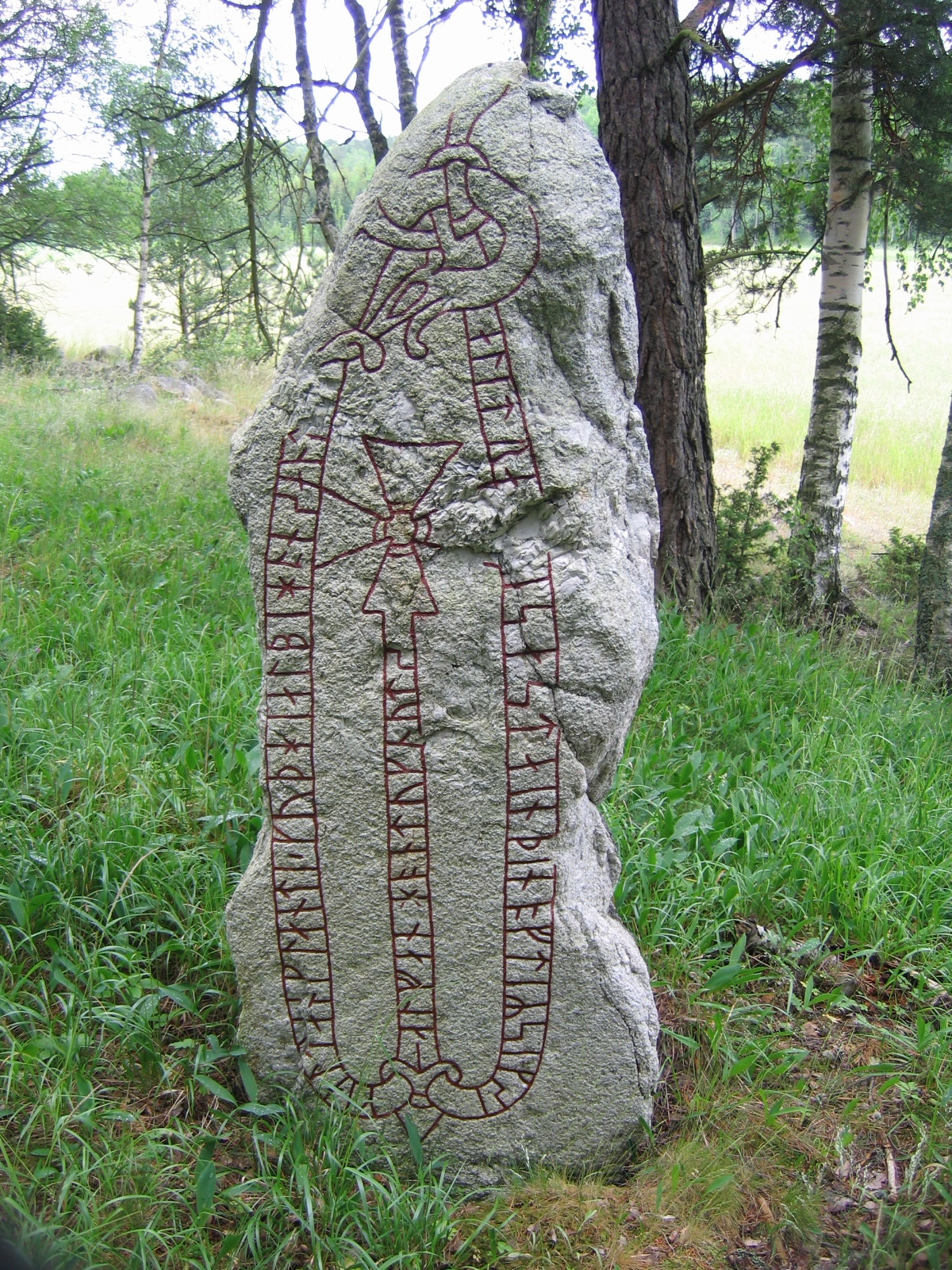
and the
Jelling rune stones (Denmark)
; browse the
Life of Anskar, see a presentation of
Snorri Sturluson’s Chronicle of the Kings of Norway; browse Saxo Grammaticus’
Gesta Danorum; see the five
Skuldelev shipsand visit Lejre, with the
hallof a Scandinavian chieftain
Geography and landscape
[01/23] Landscape, resources, communications, and people [
Sawyer27-48;
Brink57-66 and 274-280;
McDonald2-15]; see shaded relief maps of
Norway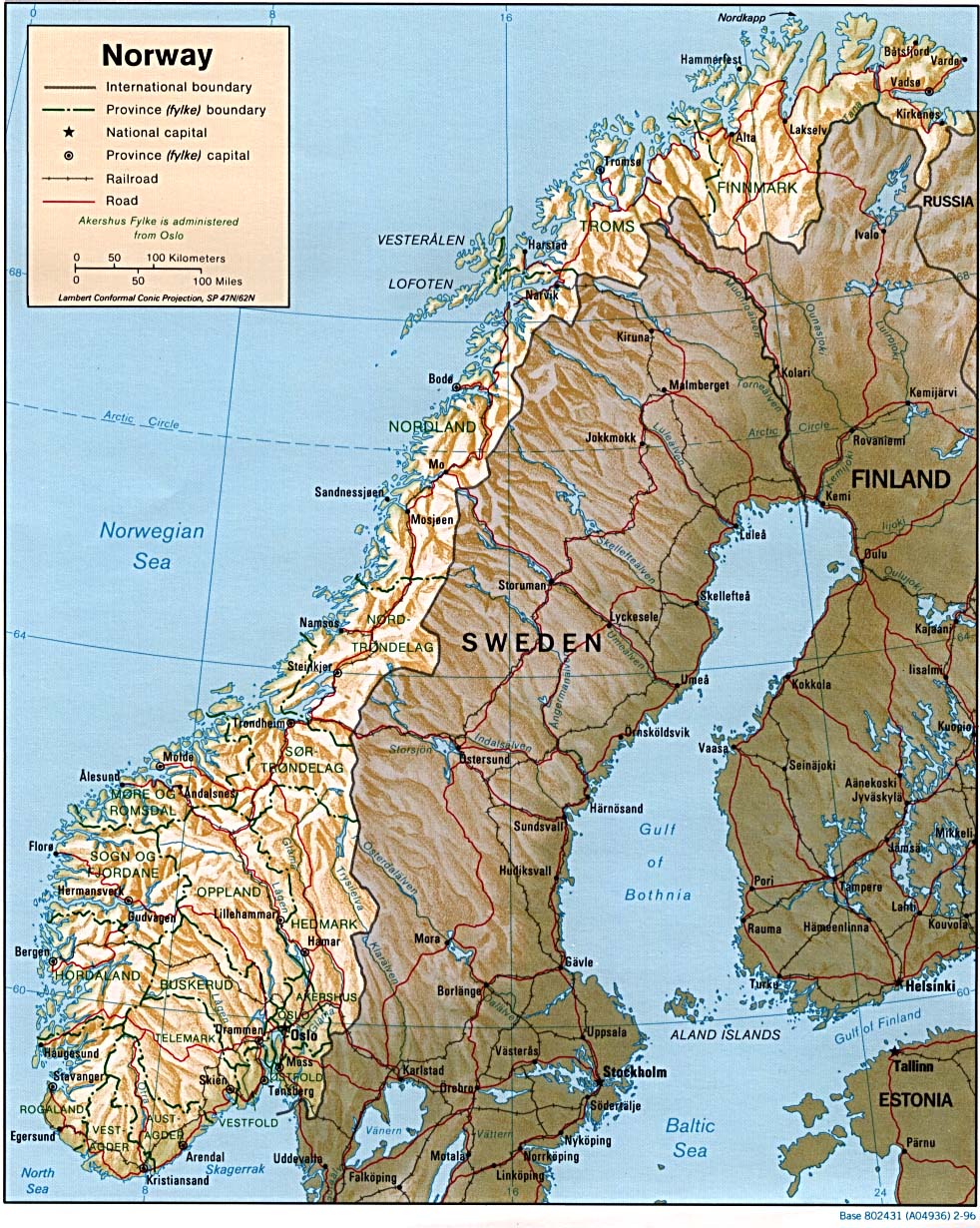
,
Sweden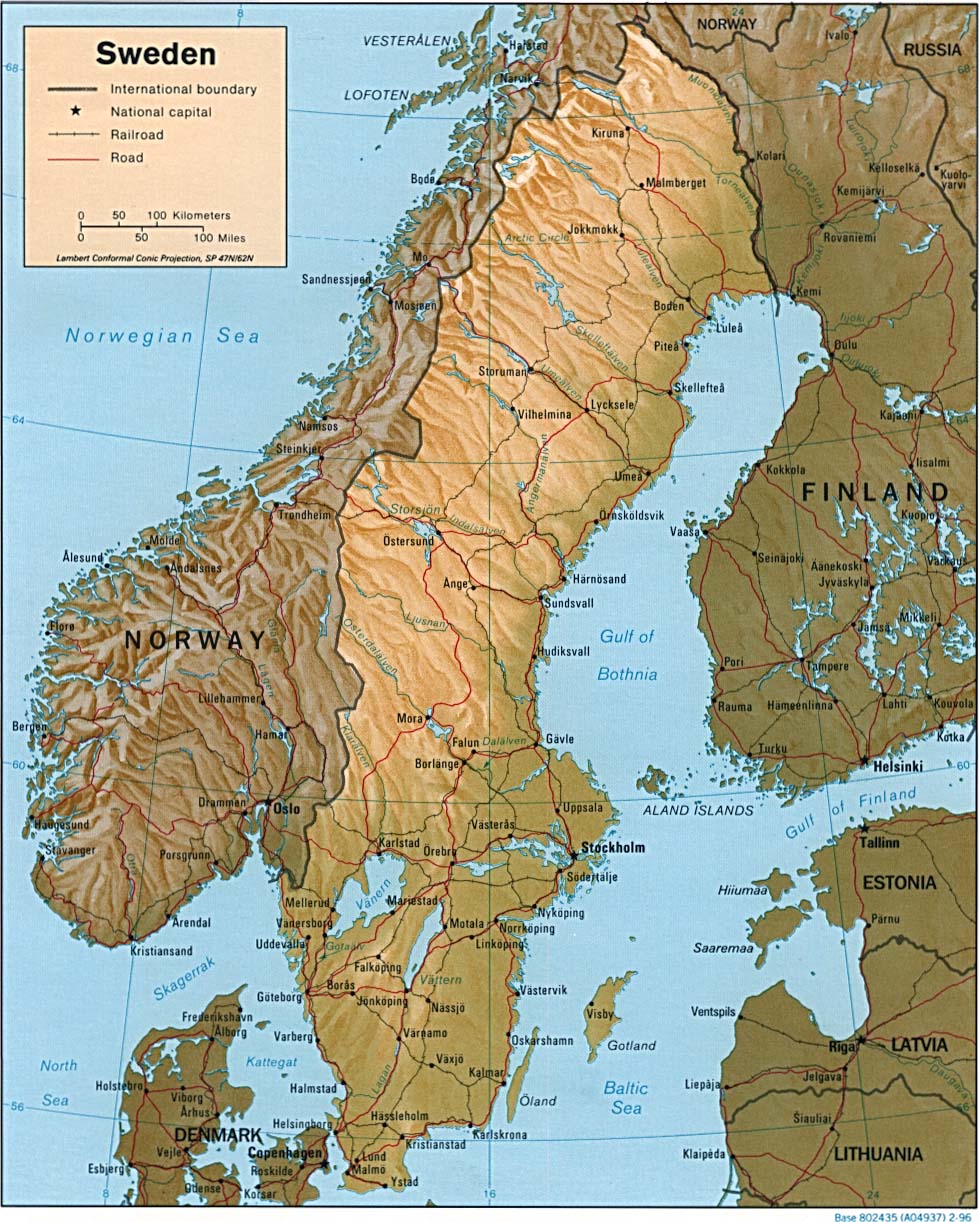
,
Denmark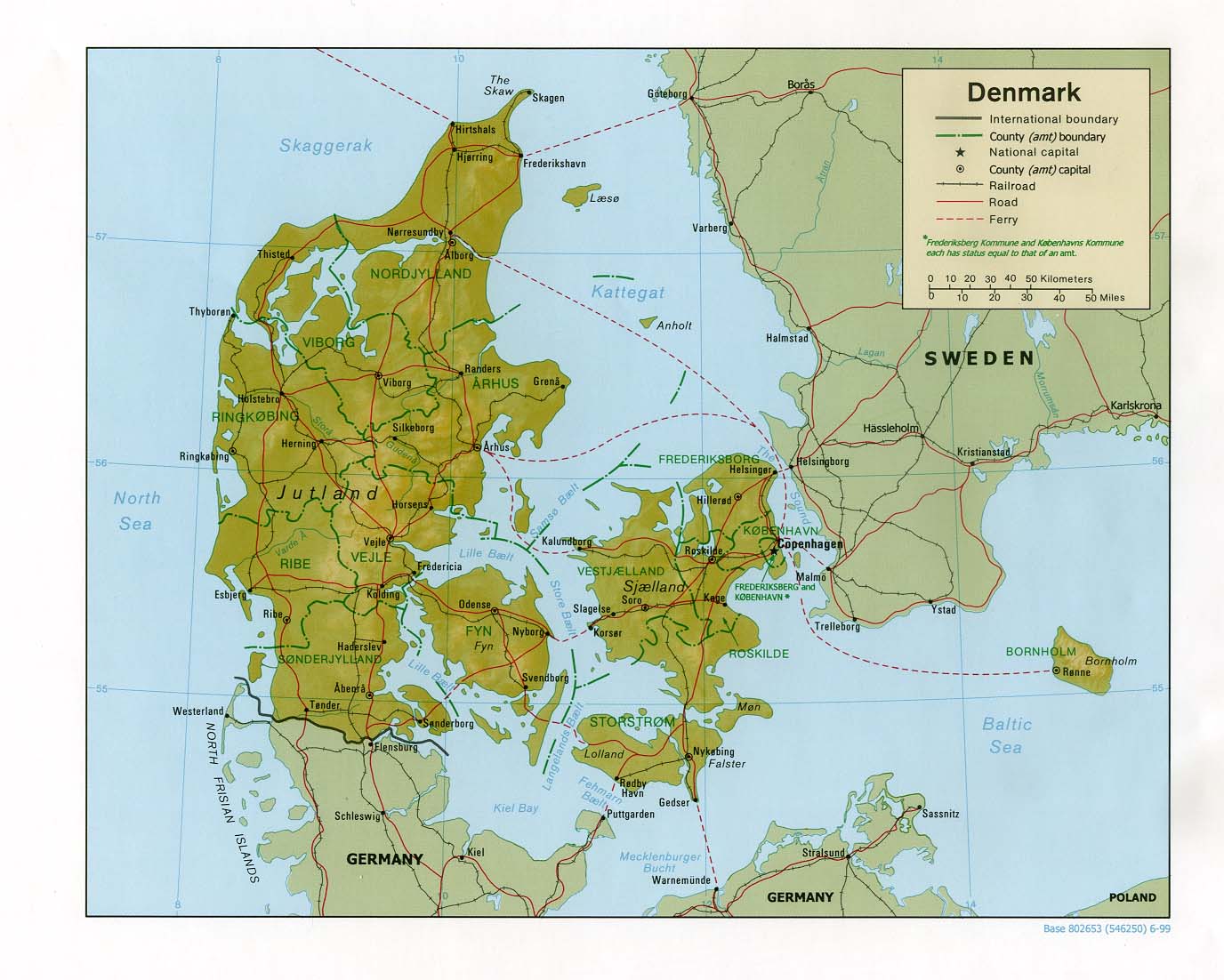
, and
Iceland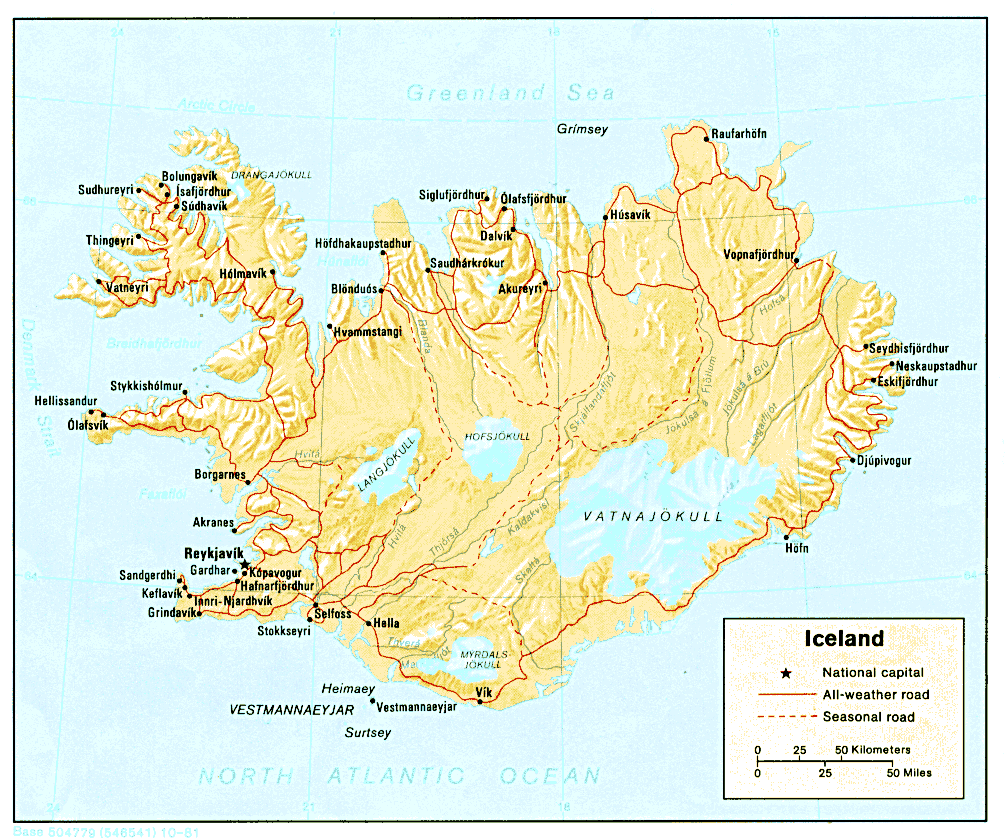
; see also pictures of a
fjord
and of the
Heklavolcano in Iceland
[01/28] People
The ninth century
[01/30] Viking raids: why and how [
Sawyer51-54;
Brink193-203;
McDonald204-210 and 224-239]; see
Einhard’s Life of Charlemagne, Charlemagne’s
lettersand
capitulariesand
Agobard of Lyonon the division of the Empire; read a short biography of
Alcuin; see also
the on-line mapand an example of
Carolingian script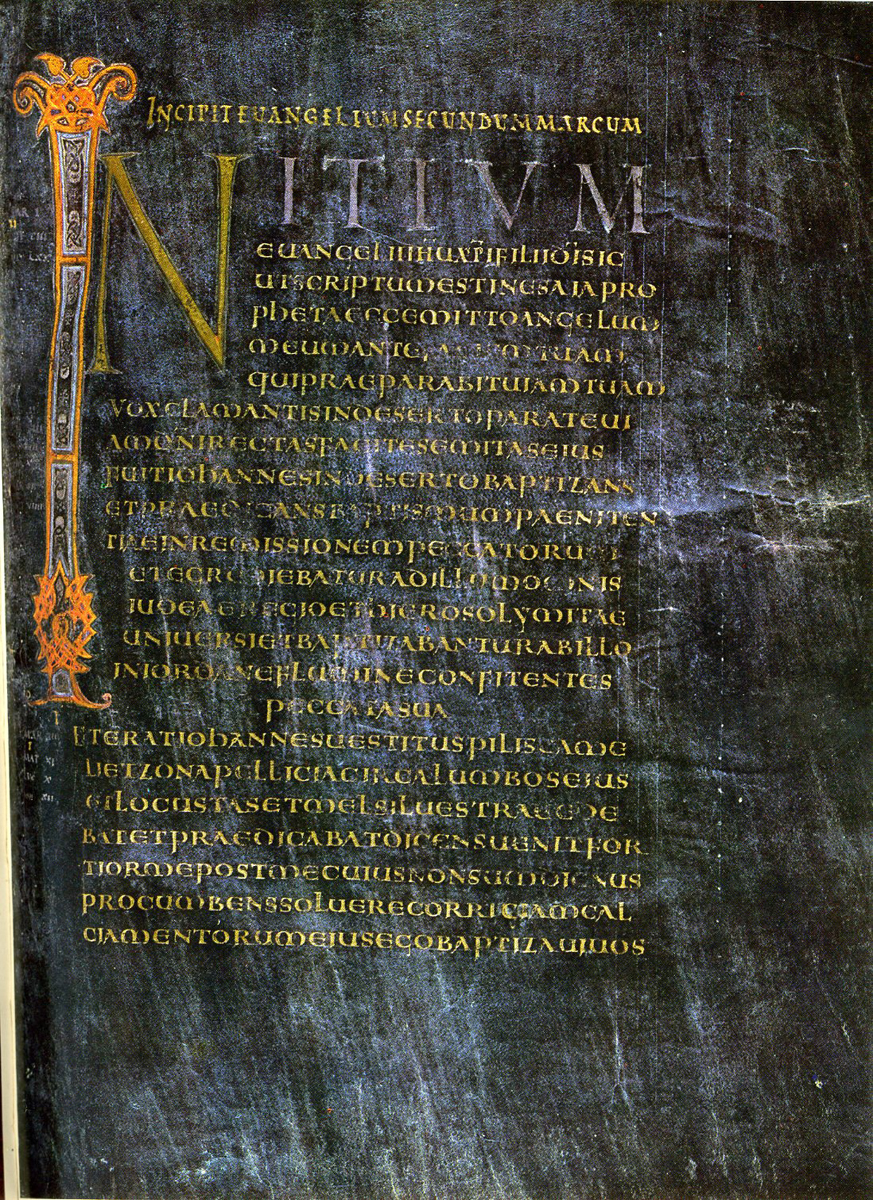
; see also
three sources on Viking raids in late Carolingian Francia; see also a Carolingian coin (a
penny of Charlemagne
), the bridge at
Pont de l’Arche, the ringfort at
Camp de Péran, the two
tortoise brooches
, such as found at Pîtres; see also maps of the
843 division of the Empire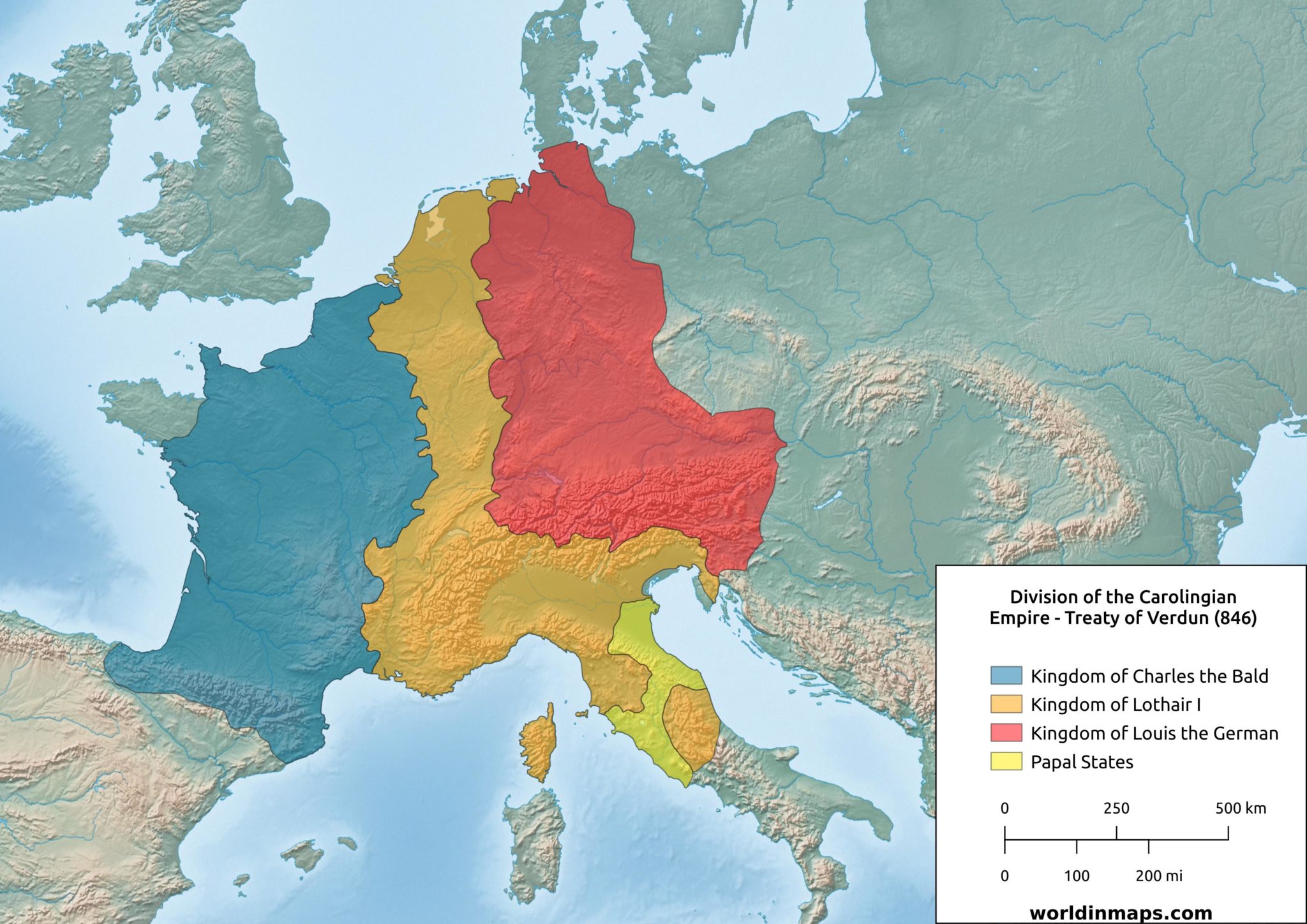
and of the
Viking raids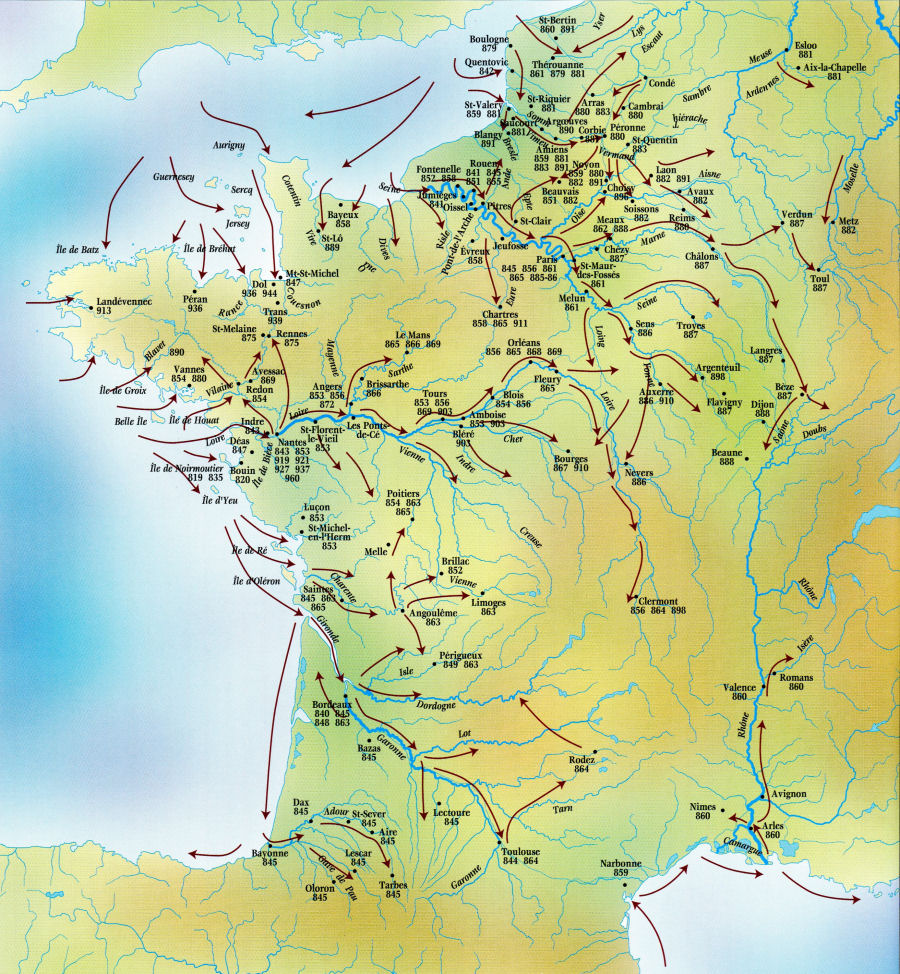
[02/04] England and Ireland [Brink 341-349; McDonald 246-263]; see the Anglo-Saxon Chronicle (on the first Viking raid on Wessex) and the Annals of Ulster, liasten to a podcast on the Orkneyinga saga, and the Old English inscription in the Codex Aureus mentioning earldorman Aelfred; visit Jarlshof, Balladoole, Repton, and Dublin; see a brief presentation of Alfred’s Jewel and a picture of the Cross of the Scriptures at Clonmacnoise; see also on-line maps of the ninth- and tenth-century Anglo-Saxon kingdoms and of ninth-century Ireland

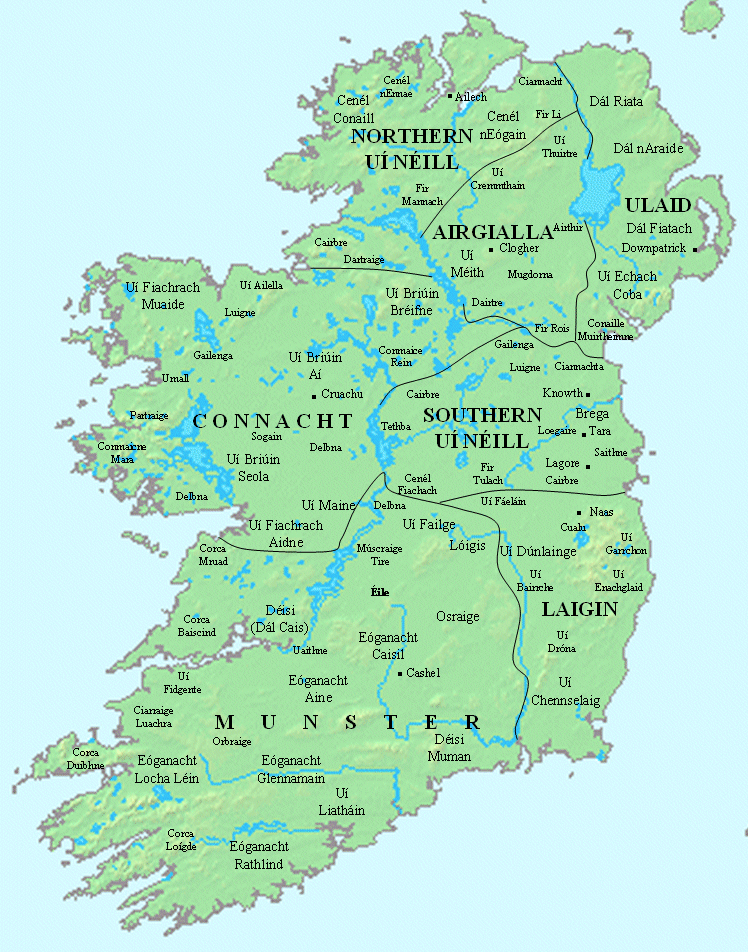
Vikings in the West and in the East
[02/04]
In-class assignment #1. Iceland and Greenland [
Brink562-570;
McDonald306-307 and 311-321]; see a brief
historyand a
map
of the Norse settlement in Greenland; see a plan of the
Brattahlid settlementand the
house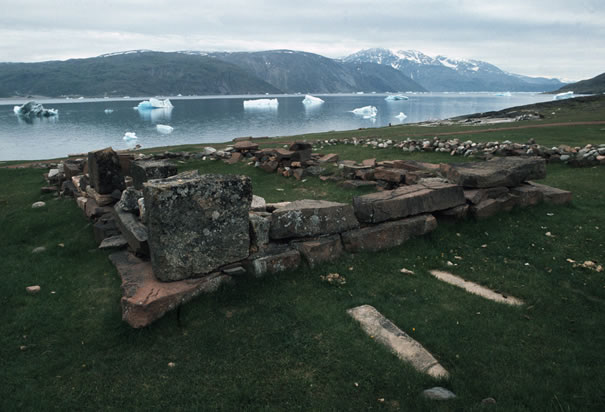
said to have been that of Erik the Red; see also a
map of Iceland[02/11] Viking ships and eastern trade [
Brink170-192;
McDonald188-189]; see an example of
clinker construction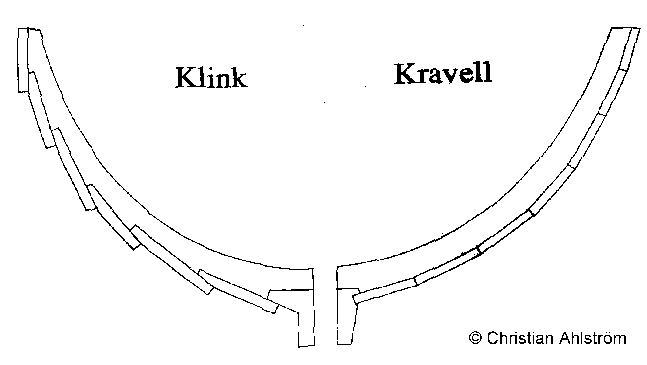
and a depiction of a Viking priare on the
Hejnum stone; see also the Skuldelev ships (nos.
2,
5,
3, and
1) and the
Krampmacken replica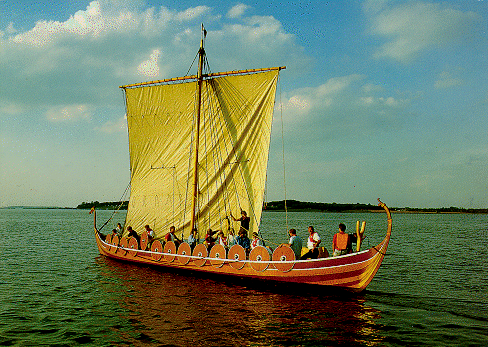
of a Viking ship that travelled from the Baltic to the Black Sea
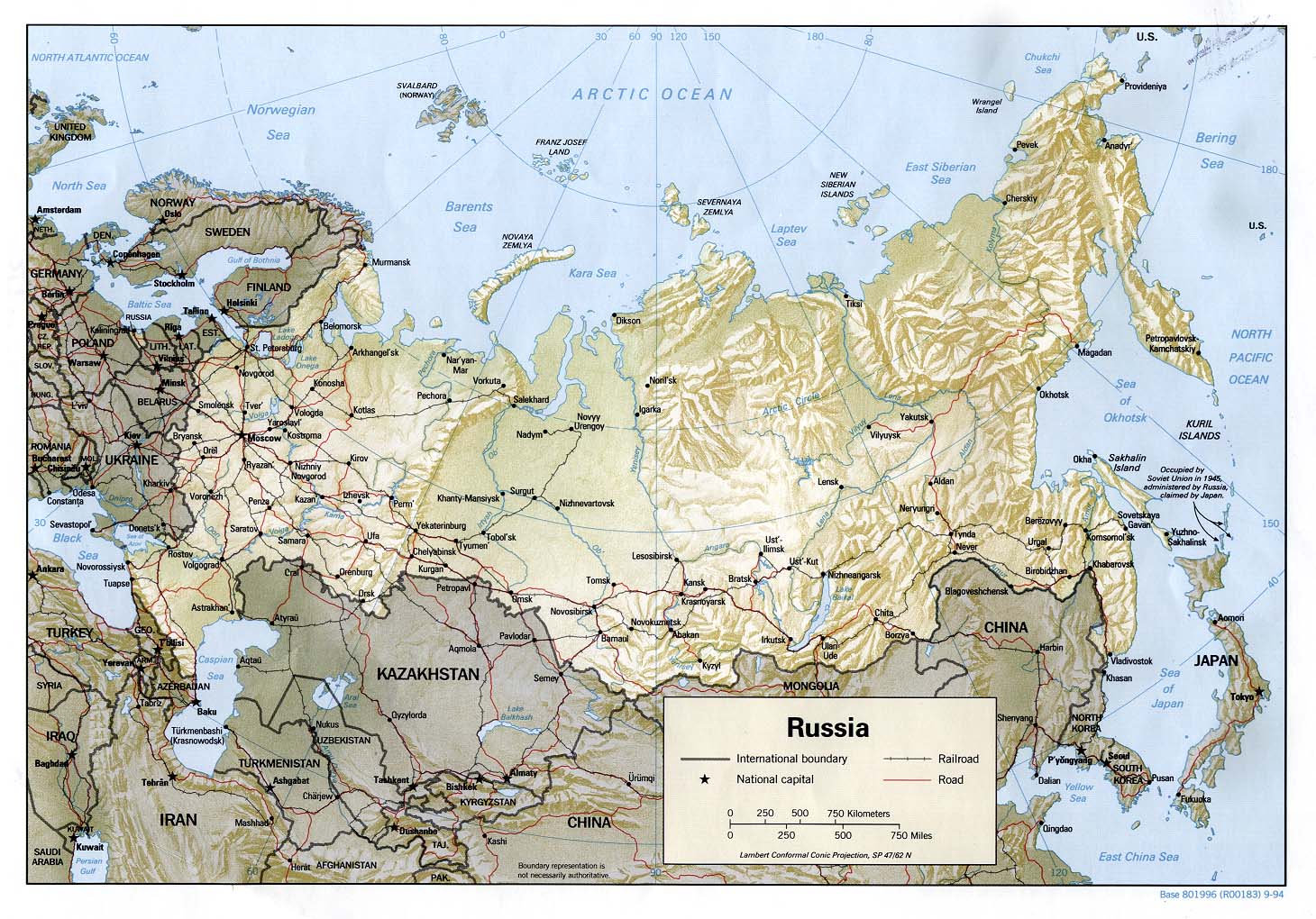
[02/13] The Rus’ Vikings [Brink 543-561; McDonald 277-294]; see the Russian Primary Chronicle and a shaded relief map of Russia
The tenth century
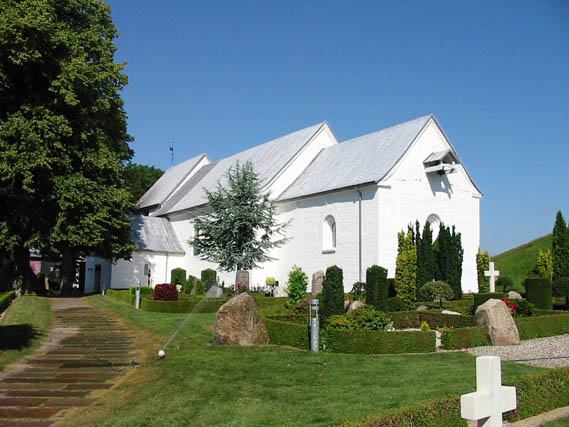
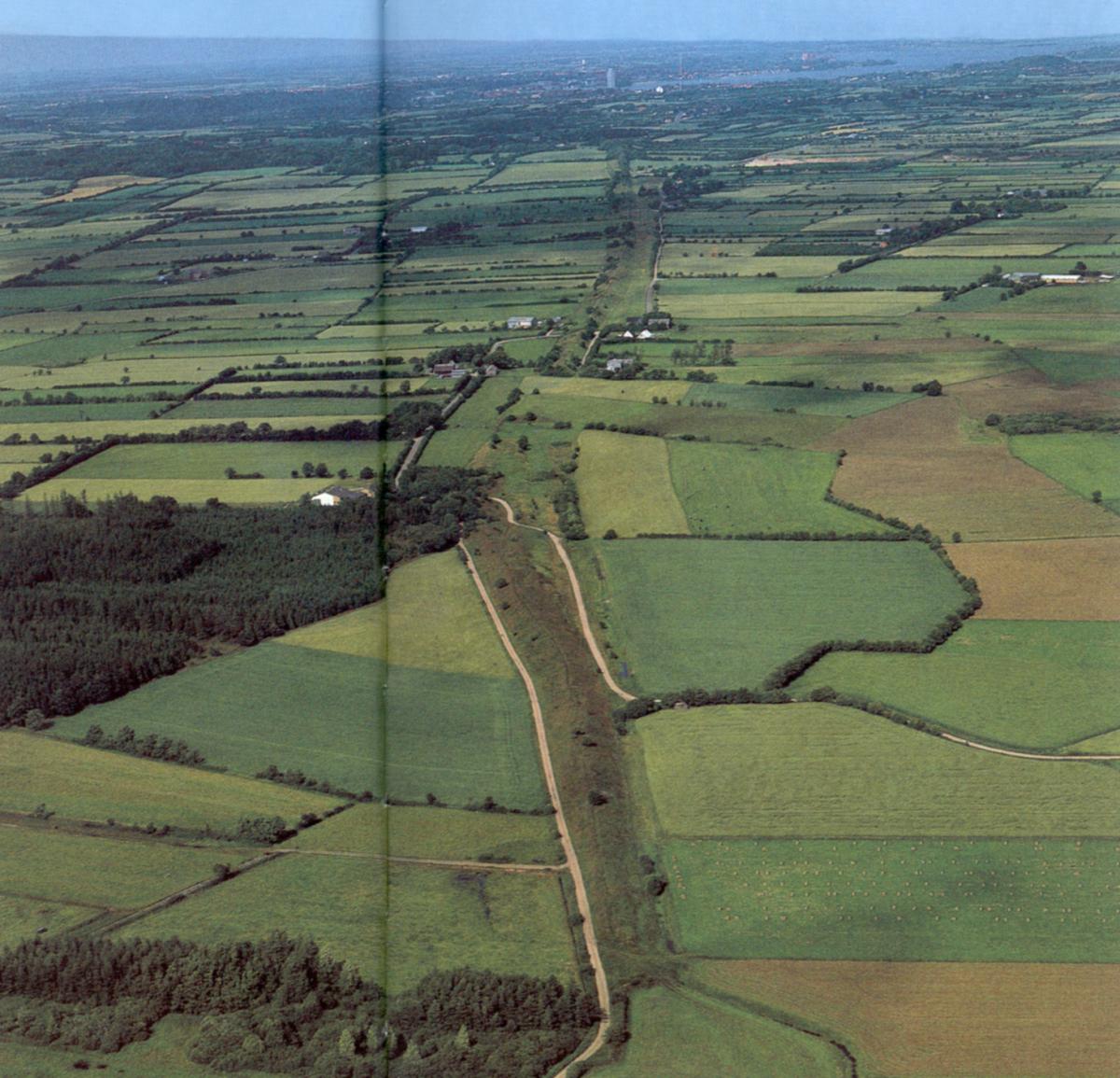
[02/18] Denmark under the Jelling dynasty [Sawyer 54-57; Brink 652-663; McDonald 425-429]; see the Jelling mounds and church; visit Trelleborg and Fyrkat; see a map and an aerial photograph of the Danevirke

[02/20] Danelaw [Brink 375-384; McDonald 246-252 and 429-431]; visit the Jorvik Viking Center in York; see presentations of the Cuerdale hoard, the Gosforth cross, and the Brompton hogbacks; see the Anglo-Saxon poem about the Battle of Maldon; see also an example of Aethelred’s pennies of the small cross type
Second Viking Age
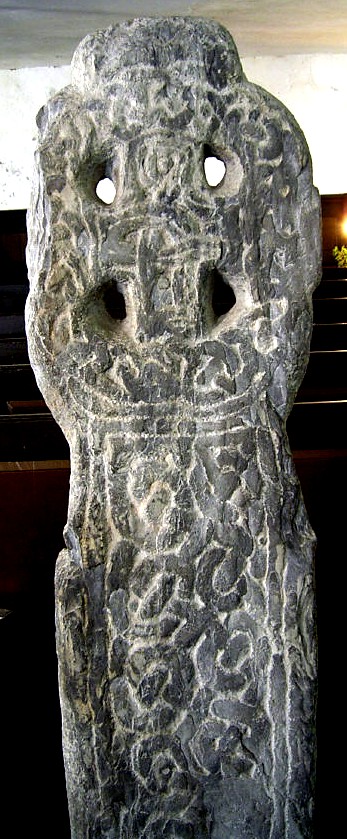
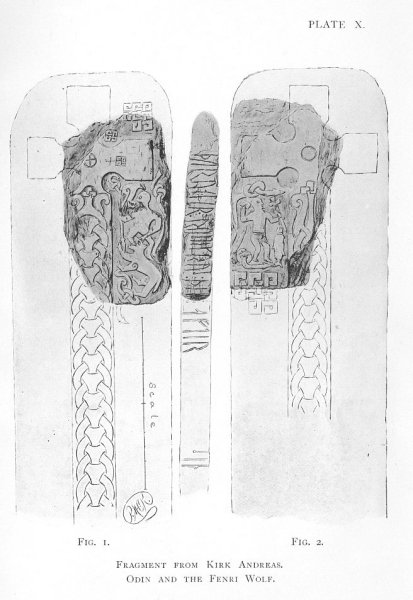
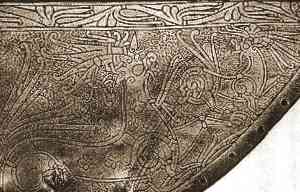
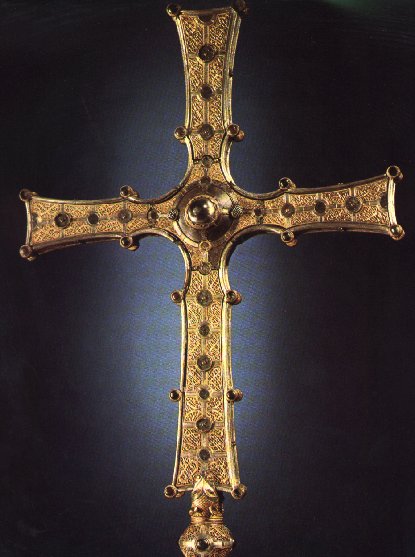
[02/25] In-class assignment #2. British Isles [Brink 391-438; McDonald 267-268 and 452-459]; see the Braddan and Kirk Andreas crosses; read about the Viking-Age Isle of Man; visit Clonmacnoise with its monastic towers; read about Viking-Age Dublin, Wexford and Waterford, as well as about the Viking cemeteries excavated in Kilmainham and Islandbridge; see a biographical note for Olaf Cuarán, king of Dublin; visit the archaeological site at Dublin-Temple Bar; see examples of Ringerike and Urnes ornamental styles; see the Cross of Cong and the Clonmacnoise crozier
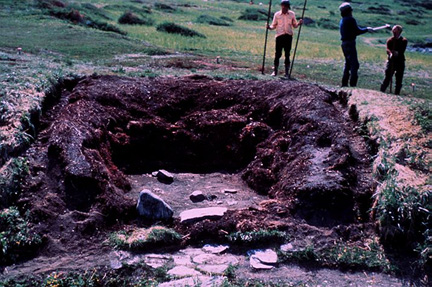
[02/27] Iceland, Greenland, America [Brink 571-617; McDonald 322-330]; see the Brattahlid settlement; visit L’Anse aux Meadows (see the smithy found on the site) and the Goddard site in Maine that produced a coin of King Olaf Kyrre; see two pages of the Jonsbok manuscript of the Grágás

[03/04] Kievan Rus’ [Brink 496-542; McDonald 294-304]
Viking society
[03/06] Written sources and archaeology [Brink 11-22 and 49-56]; read Ibn Fadlan’s account of a Rus’ ship burial (Risalat); see the rune stone from the island of Berezan’ mentioning a félag

[03/11] Kings and royal retinues [Sawyer 86-89 and 92-94; McDonald 28-37, 157-158, and 434-444]; see one of the mounds excavated at Borre (Norway) and some artifacts found within the great hall at Slöinge; see the great halls found at Borg (Lofoten Islands, Norway) and Lejre (Sjaelland, Denmark; see also a view of the reconstructed interior); read the Life of Anskar, ch. 26 on the power of the Svea kings


Before the conversion to Christianity
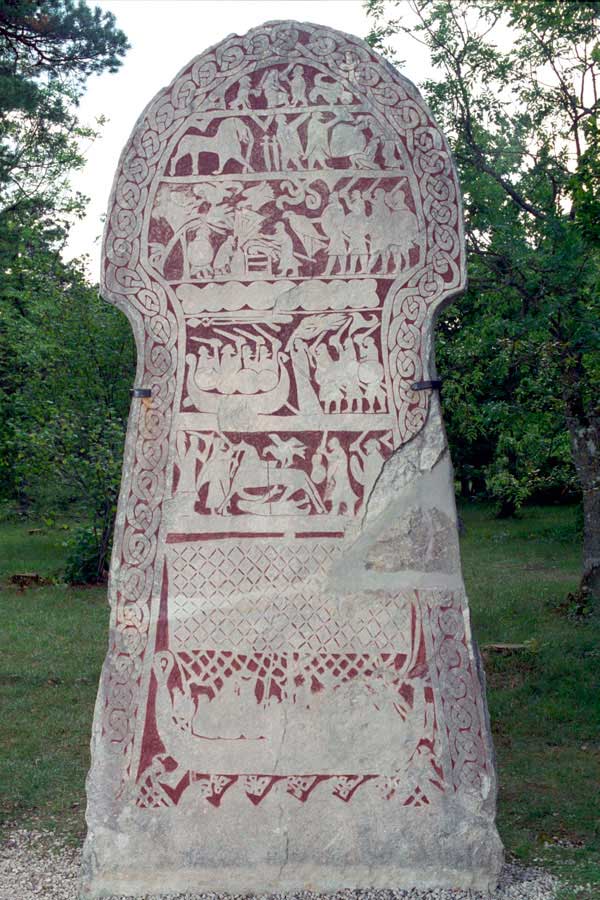
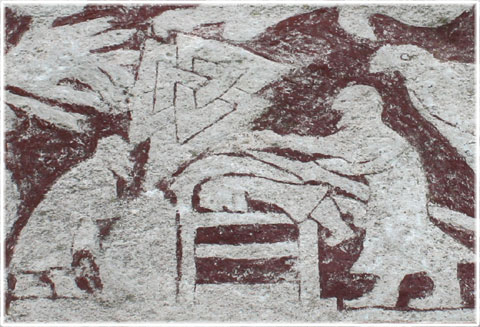
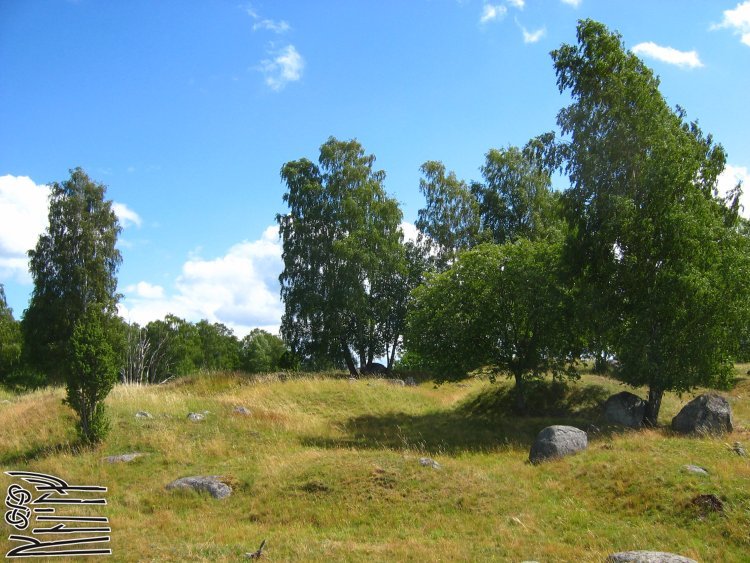
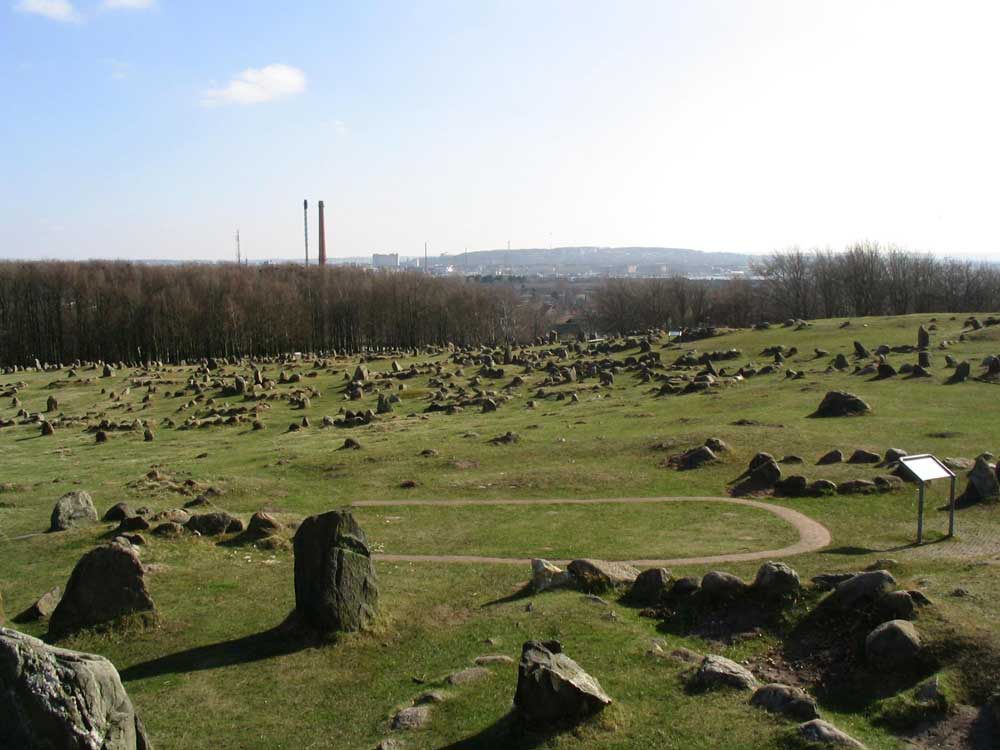
[03/14] Paganism [Brink 235-273; McDonald 65-74 and 173-177]; see the Stora Hammars rune stone, with a depiction of a human sacrifice to Odin; see pictures of Hemlanden, the main cemetery of Birka, and of Lindholm Høje in Denmark
[03/25] Mythology [Brink 212-234 and 291-323; McDonald 44-65 and 138-139]; read Völuspá
Conversion to Christianity
[03/27] Early attempts. Denmark and Iceland [
Sawyer57-58 and 100-108;
Brink621-628;
McDonald368-389 and 398-400]; see the cathedrals in
Roskilde
and
Trondheim; see examples of stave churches from
Hopperstad
,
Urnes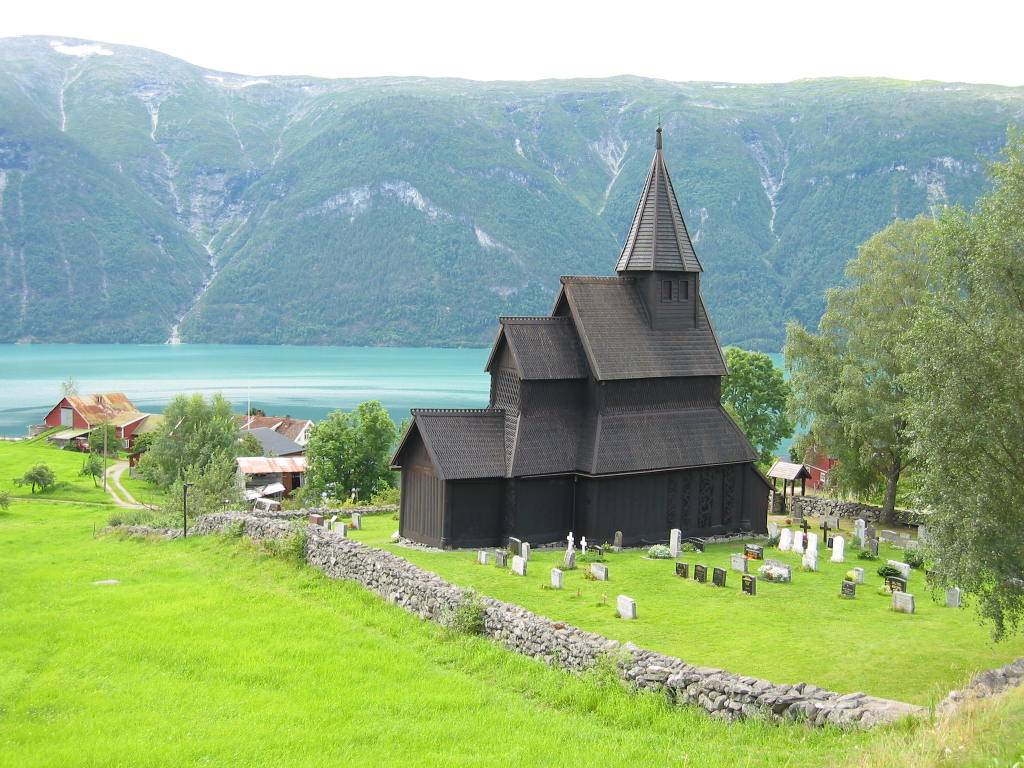
, and
Borgund ;

see another account of the conversion of Iceland in
Njal’s Saga[04/01] Rus’; see an
icon of SS. Boris and Gleb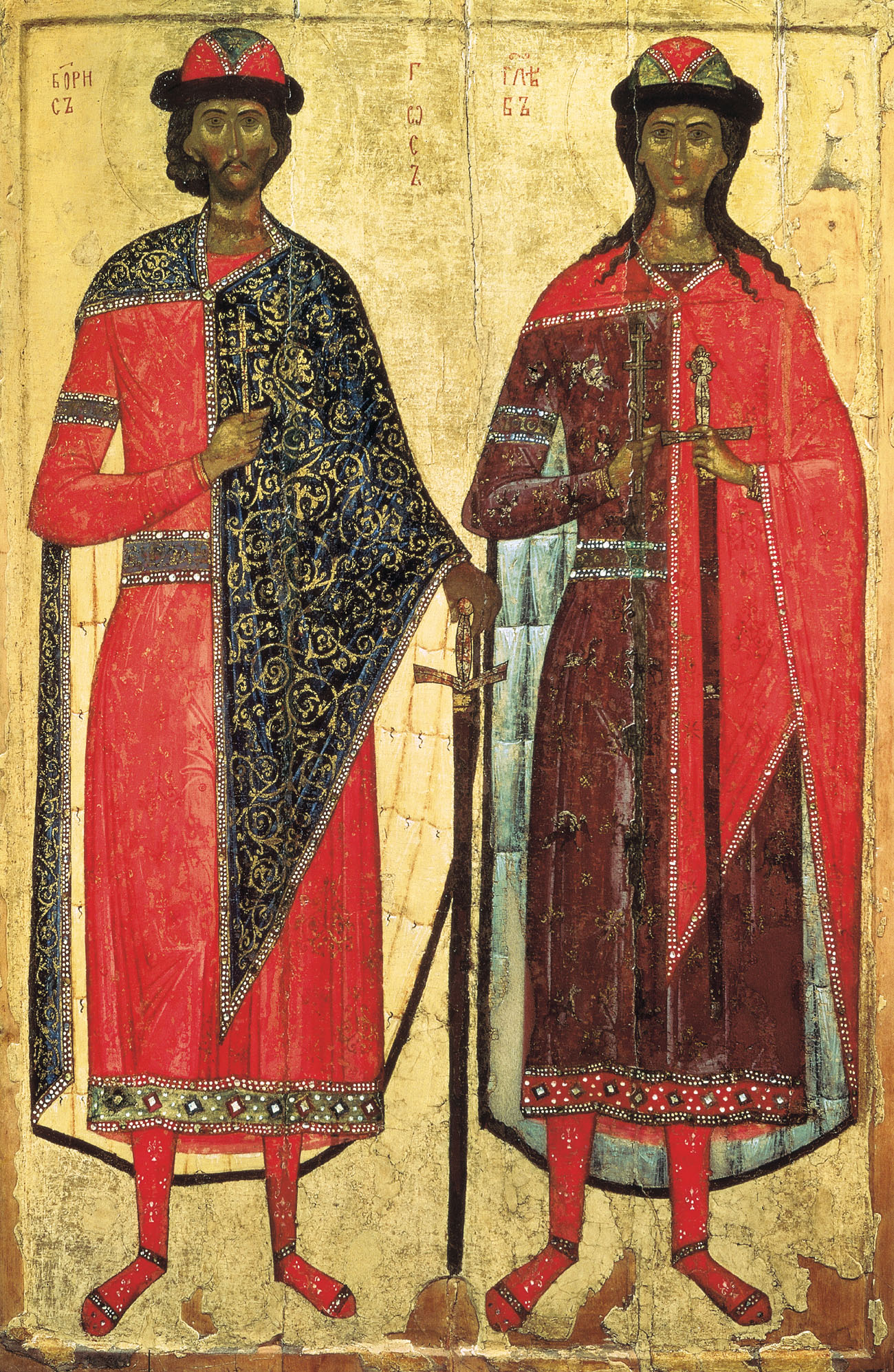
and read the account of their
passion
After the Viking Age
[04/03]
In-class assignment #3. Native saints: St. Olav, St. Knud, St. Erik, and St. Birgitta (Bridget) [
Sawyer214-232;
McDonald403-404]; see the
St. Olav frontal
and visit the
Stiklestad National Culture Center; visit the
Uppsala Cathedral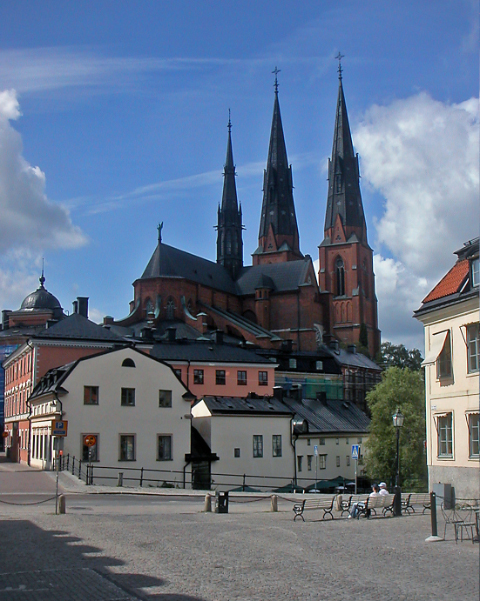
, read St. Bridget’s
Revelations to the Pope, and visit the
Vadstena Abbey[04/08] The Danish empire and the post-Viking Middle Ages [
Sawyer57-71;
Brink665-667]; see a portrait of
Valdemar the Great
on one of his coins and a Romantic version of the story about the
Dannebrog
at the battle at Lyndanis (1219); visit
Tallinn, ca. 1300, the
Kalmar castle
, the medieval city of
Abo (Turku), and the
Vyborg (Viipuri)
castle; read a short biography of
Alexander NevskyLand and kingdom, trade and towns
[04/10] Landowners and peasants; family and inheritance; law, kings and
things[
Sawyer80-85, 89-92, 129-142 and 166-87;
Brink67-82;
McDonald18-28]; see the itinerary of the
Eriksgata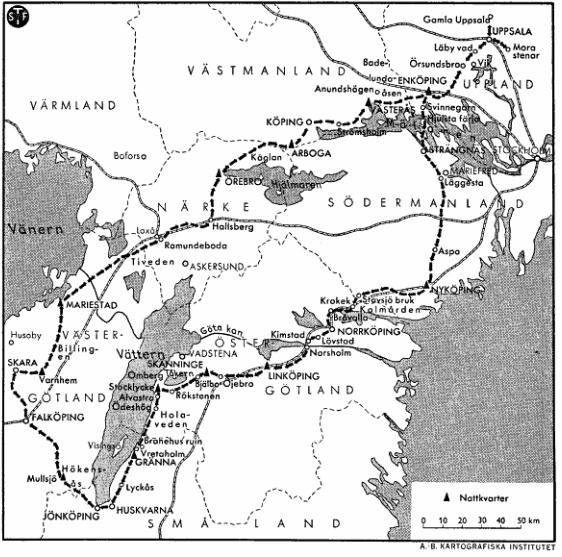
, ca. 1200; visit the
Kronborg Castle
; learn more about the Danish
Folketing, the Norwegian
Storting, and the
Sametingin Sweden
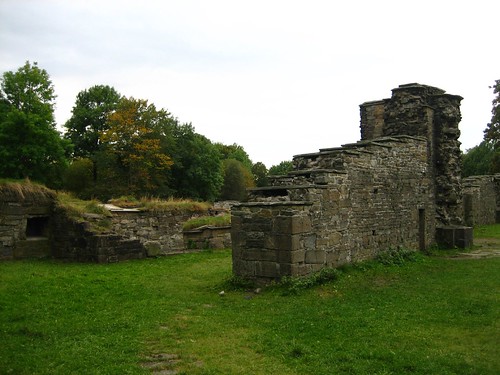
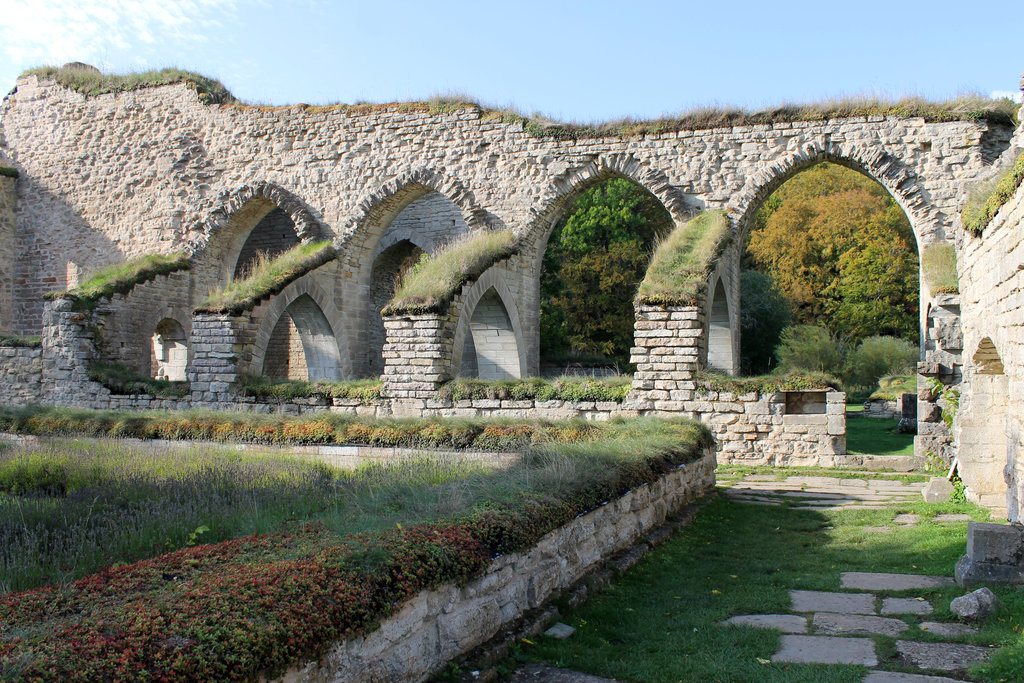
[04/15] Church organization; trading centers and towns [Sawyer 108-123 and 144-165; Brink 83-149]; see images of the Benedictine Selja Abbey and the Cistercian Hovedøya Abbey in ruins; visit the church of the Augustinian chapter in Vestervig and the Cistercian abbey at Alvastra

Scandinavian women[
[04/17] Before conversion [Sawyer 188-196; McDonald 96-104 and 111-120]; see the ship in which the Viking-age woman was buried in Oseberg (Norway)
[04/22] In-class assignment #4. After conversion; Valkyries and the myth of the “shield maiden” [Sawyer 197-213; McDonald 95-96 and 480-484]; watch Éowyn of Rohan fighting like a man and listen to a particularly good version of Wagner’s “Ride of the Valkyries“; see the Hollywood version of Viking history in Eastern Europe and of Viking-Muslim cooperation and Goscinny and Uderzo‘s version of a Viking raid